


Creating an edible garden is not only a delightful way to add beauty to your garden planters but also a practical way to incorporate fresh, homegrown ingredients into your cooking. From vibrant blooms to fragrant foliage, flowering herbs not only look stunning but also provide a bountiful harvest. Here are 10 flowering herbs to consider for your planters:
Herbs for Cooking
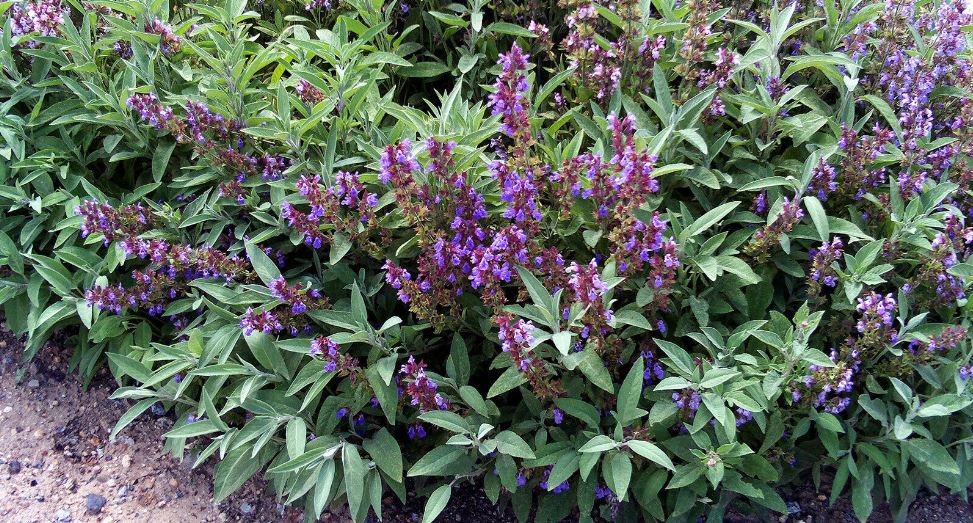
1. Salvia
Salvia, also known as sage, is a versatile herb prized for its culinary and medicinal properties. Its aromatic leaves and pretty purple flowers make it a beautiful addition to any garden. Use fresh sage leaves to flavour savoury dishes like poultry, stuffing, and pasta.
- Colour: Purple, sometimes pink or white
- Height: 12-36 inches (30-91 cm) tall
- Annual or Perennial: Perennial
- Self-sow: Can self-sow
- Bulbs/Roots: Allorhizic Roots
- Sun Exposure: Full sun
- Grouping: Combines well with thyme or lavender for added texture and scent.
2. Chive
Chives are a classic herb with delicate purple flowers and a mild onion flavour. Sprinkle chopped chives over baked potatoes, soups, or salads for a burst of fresh flavour.
- Colour: Lavender-purple
- Height: 12-24 inches (30-61 cm) tall
- Annual or Perennial: Perennial
- Self-sow: Can self-sow
- Bulbs/Roots: Bulbs
- Sun Exposure: Full sun to partial shade
- Grouping: Plant with other herbs like parsley or basil for a mixed herb planter.

3. Dill
Dill is a popular herb with feathery foliage and clusters of tiny yellow flowers. It adds a delicate flavour to dishes like fish, potatoes, and pickles, and can also be used to make flavorful herb butter or sauces.
- Colour: Yellow
- Height: 24-36 inches (61-91 cm) tall
- Annual or Perennial: Annual
- Self-sow: Can self-sow
- Bulbs/Roots: Roots
- Sun Exposure: Full sun
- Grouping: Pair with cilantro or fennel for a complimentary herb garden.

4. Rosemary
Rosemary is a fragrant and flavorful herb with needle-like leaves and tiny blue flowers. It pairs well with roasted meats, potatoes, and vegetables, and can also be used to infuse olive oil or vinegar.
- Colour: Blue
- Height: 24-72 inches (61-183 cm) tall
- Annual or Perennial: Perennial
- Self-sow: Rarely self-sows
- Bulbs/Roots: Fibrous Roots
- Sun Exposure: Full sun
- Grouping: Mix with lavender or sage for a Mediterranean-inspired herb garden.

5. Spearmint
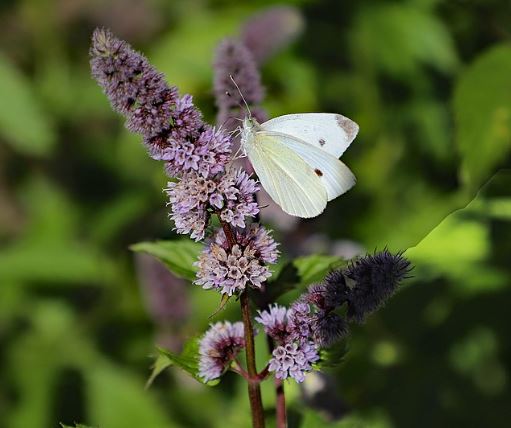
Spearmint is a refreshing herb with bright green leaves and small spikes of lilac-coloured flowers. Use fresh spearmint leaves to make refreshing mojitos, teas, or homemade mint sauce.
- Colour: Lilac
- Height: 18-24 inches (46-61 cm) tall
- Annual or Perennial: Perennial
- Self-sow: Can self-sow
- Bulbs/Roots: Rhizome Roots
- Sun Exposure: Partial shade to full sun
- Grouping: Plant with lemon balm or lemon verbena for a citrus-themed herb planter.
Herbs for Infusions or Cocktails
6. Pineapple Sage
Pineapple sage is a delightful herb that adds a tropical flair to your garden with its vibrant red flowers and pineapple-scented leaves. Use the leaves to infuse teas, cocktails, and desserts with a subtle pineapple flavour.
- Colour: Red
- Height: 24-36 inches (61-91 cm) tall
- Annual or Perennial: Perennial
- Self-sow: Rarely self-sows
- Bulbs/Roots: Roots
- Sun Exposure: Full sun
- Grouping: Pair with lemon thyme or lemon basil for a tropical herb garden.

7. Catmint
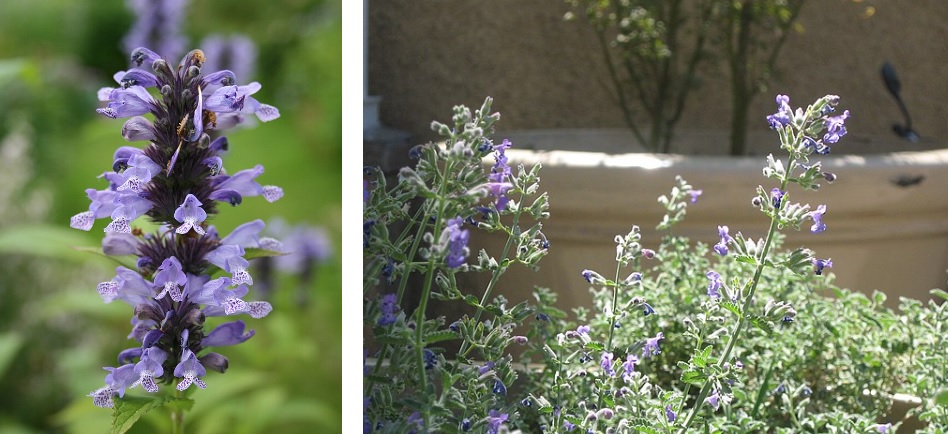
Catmint, a member of the mint family, is loved for its delicate lavender-blue flowers and aromatic foliage. This hardy herb is a favourite of pollinators like bees and butterflies and can be used to make soothing herbal teas or as a garnish for salads.
- Colour: Lavender-blue
- Height: 12-24 inches (30-61 cm) tall
- Annual or Perennial: Perennial
- Self-sow: Can self-sow
- Bulbs/Roots: Fibrous Roots
- Sun Exposure: Full sun to partial shade
- Grouping: Combine with bee balm or yarrow for a pollinator-friendly herb bed.
8. Bee Balm
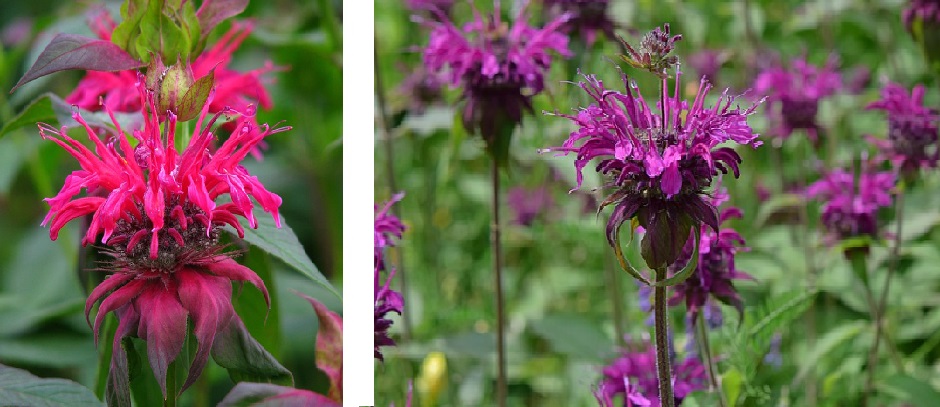
Bee balm, also known as monarda or bergamot, is prized for its showy red, pink, or purple flowers and aromatic foliage. Use the leaves to make soothing herbal teas or add the flowers to salads for a pop of colour.
- Colour: Red, pink, purple
- Height: 24-36 inches (61-91 cm) tall
- Annual or Perennial: Perennial
- Self-sow: Can self-sow
- Bulbs/Roots: Fibrous Roots
- Sun Exposure: Full sun to partial shade
- Grouping: Mix with echinacea or coneflowers for a vibrant and aromatic herb garden.
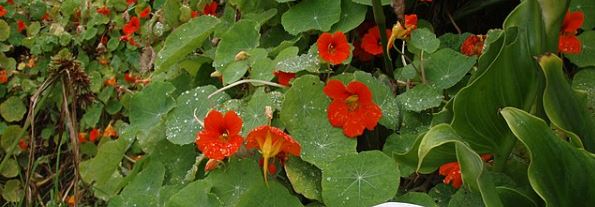
9. Nasturtium
Nasturtiums are not only beautiful but also edible, with peppery-tasting leaves and vibrant flowers that range in colour from orange and yellow to red. Add nasturtium flowers to salads or use the leaves as a flavorful garnish.
- Colour: Orange, yellow, red
- Height: 8-12 inches (20-30 cm) tall
- Annual or Perennial: Annual
- Self-sow: Can self-sow
- Bulbs/Roots: Seeds
- Sun Exposure: Full sun to partial shade
- Grouping: Plant with marigolds or calendula for a cheerful and edible flower bed.
10. Lungwort
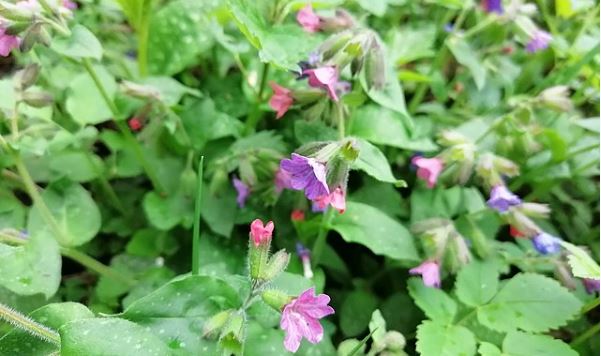
Lungwort, also known as pulmonaria, is a charming herb with spotted leaves and clusters of pink, purple, or blue flowers. In addition to its ornamental value, lungwort has been used in traditional medicine for its purported respiratory benefits.
- Colour: Pink, purple, blue
- Height: 8-12 inches (20-30 cm) tall
- Annual or Perennial: Perennial
- Self-sow: Can self-sow
- Bulbs/Roots: Roots
- Sun Exposure: Partial shade to full shade
- Grouping: Combine with ferns or hostas for a shade-loving herbaceous border.
Additional Ideas:
Expand your edible garden with these additional flowering herbs:
- Borage: Add borage flowers to salads or freeze them in ice cubes for a decorative touch.
- Lavender: Use lavender flowers to flavour baked goods, teas, or homemade sachets.
- Lemon Balm: This citrus-scented herb is perfect for making herbal teas or adding flavour to desserts and cocktails.
- Thyme: Thyme flowers are not only beautiful but also edible, with a subtle thyme flavour that complements a variety of dishes.
With these flowering herbs, you can create a stunning and delicious edible garden planters that will delight your senses and inspire your culinary creations.
 Large Garden Planters
Leave a comment