


As the vibrant colours of spring burst forth, it’s the perfect time to adorn your outdoor spaces with enchanting spring garden planters. Elevate your garden with a symphony of blooms, carefully chosen to complement one another in colour, texture, and bloom times.
In this guide, we’ll explore creative ideas for crafting stunning spring planters in the UK, taking into consideration plant compatibility, soil requirements, watering needs, and ease of maintenance.
Plant Combinations: A Symphony of Colours and Textures
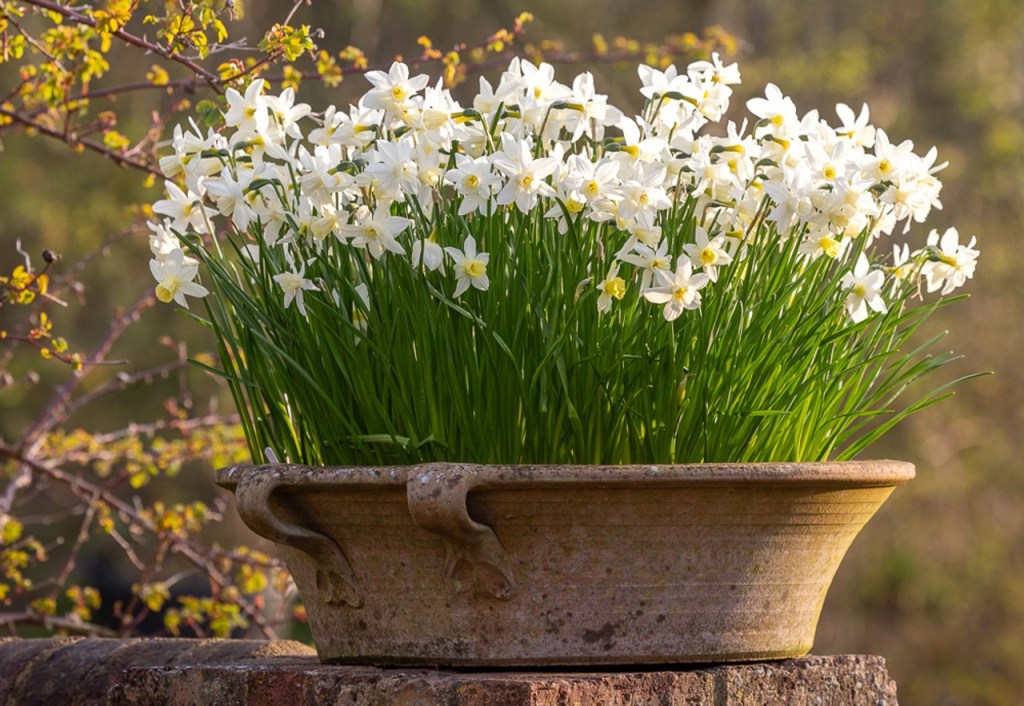
Group the Early Bloomers together
- Daffodils (Narcissus): Plant these cheerful yellow blooms as the backbone of your spring planter, providing a burst of colour.
- Primroses (Primula): Nestle delicate primroses around the daffodils for a soft and complementary touch.
Choose Contrasting Hues Harmony
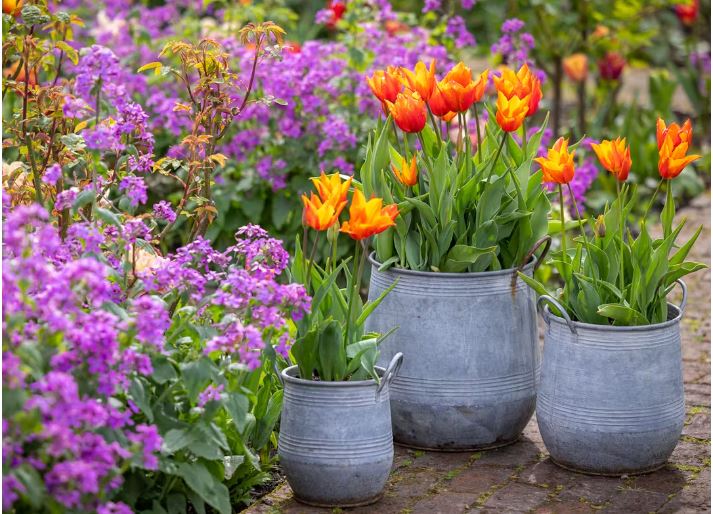
- Tulips (Tulipa): Choose a contrasting colour to the daffodils, such as vibrant red or purple tulips, creating a visually striking combination.
- Grape Hyacinths (Muscari): Introduce a touch of blue with grape hyacinths for a captivating contrast.
Add Texture-rich Tapestry
- Hellebores (Helleborus): Add elegance with hellebores, offering unique textures and early spring blooms in shades of white, pink, or purple.
- Lungwort (Pulmonaria): Intersperse lungwort with spotted leaves for added texture and a palette of blue, pink, or purple flowers.

Pick Easy-to-Care-for Plants
- Narcissus ‘Tête-à-Tête’:This miniature daffodil is not only charming but also easy to care for, requiring minimal attention for a delightful display.
- Primula ‘Wanda’: ‘Wanda’ primroses offer vibrant blooms and thrive in the cool temperatures of spring, making them a fuss-free choice for containers.
- Galanthus ‘Snowdrops‘: These small bulbs are virtually carefree, naturalising easily, and returning year after year with their small white drooping bell-shaped flower with six petal-like tepals in two circles.
Choose Self-Sowing Beauties
- Forget-Me-Nots (Myosotis): These delicate blue flowers self-sow readily, creating a charming and naturalised look in your garden.
- Foxgloves (Digitalis purpurea): Foxgloves produce abundant seeds, allowing them to self-sow and grace your garden with their tall spires of tubular flowers.
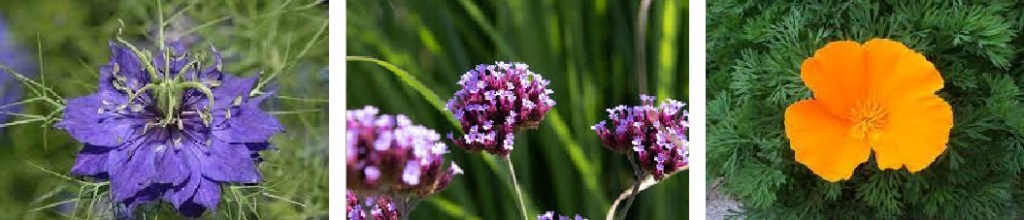
- Nigella (Nigella damascena): Also known as Love-in-a-Mist, these plants produce intricate flowers surrounded by feathery foliage, self-seeding for a carefree garden.
- Aquilegia (Aquilegia spp.): Elegant and diverse, columbines self-sow freely, showcasing unique spurred flowers in an array of colors and patterns.
- Cornflowers (Centaurea cyanus): Vibrant blue petals characterize cornflowers, thriving in sunny locations and effortlessly reseeding for continuous blooms.
- Love-in-a-Mist (Nigella damascena): Delicate and enchanting, Love-in-a-Mist features distinctive flowers surrounded by wispy foliage, self-sowing with ease.
- Poppy (Papaver spp.): Papery blooms of various colors grace poppies, self-sowing prolifically and creating a striking, wildflower-like presence.
- Californian Poppy (Eschscholzia californica): Drought-tolerant and vibrant, Californian poppies self-seed, covering gardens with bright orange, yellow, or pink blossoms.
- Sweet Alyssum (Lobularia maritima): Low-growing and fragrant, sweet alyssum self-sows, forming fragrant borders with clusters of tiny, white flowers.
- Verbena bonariensis: Tall and airy, verbena bonariensis self-sows, gracing gardens with clusters of purple flowers loved by pollinators.
Maintenance Tips
- Deadheading for Prolonged Blooms:
- Remove faded blooms regularly to encourage continuous flowering, especially for plants like primroses and hellebores.
- Divide Bulbs Every Few Years:
- Lift and divide crowded clumps of bulbs, such as daffodils and tulips, every few years to maintain their vigour and bloom.
- Encourage Naturalising:
- Allow self-sowing plants like forget-me-nots and foxgloves to set seeds, enhancing the natural beauty of your garden over time.
- Mulching:
- Apply a layer of mulch on the soil surface to conserve moisture, regulate soil temperature, and suppress weed growth.
- Rotate and Re-position:
- Rotate containers occasionally to ensure even exposure to sunlight. Re-position pots to promote balanced growth and prevent uneven stretching.
- Monitor Pests and Diseases:
- Keep a watchful eye for pests and diseases. Inspect plants regularly and take prompt action if any issues arise.
- Protect from Extreme Weather:
- Shield your garden planters from extreme weather conditions. Move them indoors during severe cold or place them in a shaded area during scorching heatwaves.
- Regular Inspections:
- Periodically inspect the overall health of your container plants. Look for signs of stress, nutrient deficiencies, or any changes in growth patterns.
Care Tips
Pair Plants with Matching Soil Requirements for Optimal Growth
- Well-Draining Mix for Bulbs:
- Use a well-draining potting mix with added organic matter for bulbs like daffodils and tulips, ensuring they don’t sit in waterlogged soil.
- Rich and Moist for Perennials:
- Incorporate a rich, moisture-retentive soil for perennials like hellebores and lungwort, mimicking their natural woodland habitats.

Know Their Watering Needs
- Moderate Watering for Bulbs:
- While bulbs are generally low-maintenance, provide moderate watering during the growing season, ensuring the soil doesn’t dry out completely.
- Consistent Moisture for Perennials:
- Keep the soil consistently moist for perennials, especially during dry spells. Mulching around the plants helps retain moisture.
- Keep the soil consistently moist for perennials, especially during dry spells. Mulching around the plants helps retain moisture.

Crafting spring garden planters in the UK is a delightful way to welcome the season’s beauty. By selecting plants based on their bloom times, colour harmonies, and compatibility, you can create a stunning visual display that requires minimal maintenance. Embrace the vibrant hues, textures, and fragrances of spring, and let your garden become a living canvas of natural art.
 Large Garden Planters