

Garden planters come in various materials, each with its unique properties and benefits. From zinc to concrete, steel to terracotta, and wooden raised planters, choosing the right material will ensure the longevity and health of your plants. Let’s explore the characteristics of each material and essential recommendations for their maintenance and usage.
Zinc Garden Planters
Zinc planters offer a sleek and modern aesthetic, perfect for contemporary garden designs. They are lightweight, durable, and resistant to corrosion, making them suitable for both indoor and outdoor use. However, zinc can heat up quickly in direct sunlight, potentially damaging plant roots. To mitigate this, consider lining the planter with insulation or opting for light-coloured varieties to reflect sunlight away from the roots.

Concrete Garden Planters
Concrete planters are renowned for their durability and strength, making them ideal for long-term outdoor use. They provide excellent insulation for plant roots, regulating soil temperature and moisture levels. However, concrete is porous and may absorb water, leading to potential cracking during freeze-thaw cycles. To prevent this, ensure proper drainage by adding drainage holes at the bottom and consider sealing the interior to reduce moisture absorption.

Steel Garden Planters
Steel planters are sleek and modern looking while being incredibly sturdy and resistant to corrosion. They are well-suited for contemporary garden designs and urban landscapes. However, steel can heat up quickly in direct sunlight, potentially causing root damage. To address this, consider lining the planter with insulation or placing it in partially shaded areas to prevent overheating.
Terracotta Garden Planters
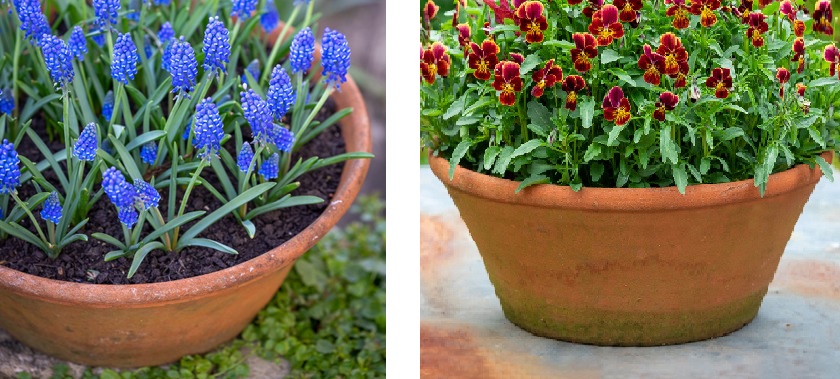
Terracotta planters have a timeless appeal and are perfect for traditional garden designs. They are porous, allowing for air circulation and moisture regulation, which promotes healthy root growth. However, terracotta can be prone to cracking in freezing temperatures, so it’s essential to protect them during winter months with a thick garden cover if left outside, or by simply sheltering them in your shed. Additionally, make sure to buy pots with drainage holes at the bottom to prevent waterlogging.
Wooden Raised Garden Planters
Wooden raised planters add a rustic charm to any garden and are perfect for growing vegetables, herbs, and flowers. They are customisable, easy to assemble, and provide excellent drainage for plants. However, wood is susceptible to rot and decay when exposed to moisture, so it’s crucial to line the interior with a waterproof membrane or use rot-resistant wood such as cedar or redwood. Also, regularly inspect wooden planters for signs of deterioration and treat them with a protective sealant to prolong their lifespan.

The choice of material for your garden planters depends on your aesthetic preferences, gardening needs, and environmental conditions. By understanding the properties of each material and implementing appropriate maintenance practices, you can ensure that your garden planters not only enhance your garden design but also provide a healthy environment for your plants to thrive all year around.
 Large Garden Planters