

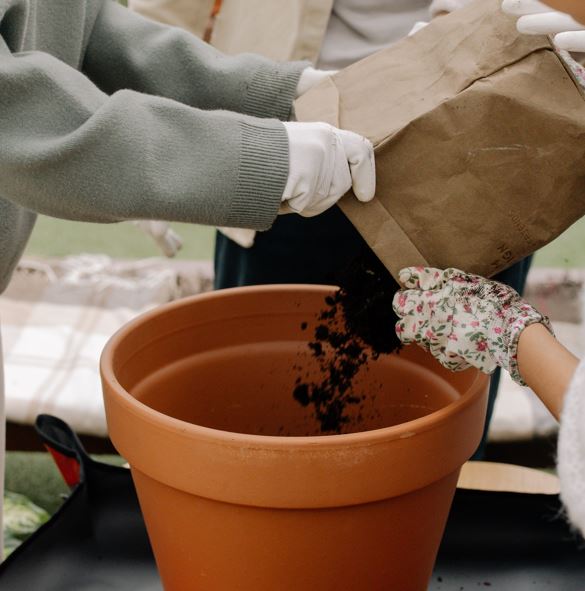
Container gardening is a versatile and rewarding way to bring nature to your doorstep. Whether you have a small balcony or a spacious patio, creating a stunning container garden requires careful planning and consideration. In this guide, we’ll take you through each step, offering professional tips with a friendly touch, ensuring your container garden thrives in the ever-changing UK weather.
1. Start with the Right Soil
Choosing the correct soil lays the foundation for a thriving container garden. Opt for a high-quality, well-draining potting mix that provides essential nutrients. Mix in organic matter to enhance water retention and nutrient availability.
Example: Use a mix designed for containers, such as John Innes No. 3, for robust and healthy plant growth.
2. Select Plants for Each Season
Crafting a container garden that transitions beautifully through the seasons requires thoughtful plant selection. Choose a combination of spring-flowering bulbs, summer annuals, autumn perennials, and evergreen shrubs for year-round interest.
Spring Favourites
- Daffodils (Narcissus):
- Symbolising the arrival of spring, daffodils in various hues are cherished for their vibrant blooms and trumpet-shaped flowers.
- Tulips (Tulipa):
- These classic spring flowers come in an array of colours, providing a stunning display in gardens and floral arrangements.
- Crocus (Crocus spp.):
- Known for their delicate, cup-shaped flowers, crocuses are among the earliest spring bloomers, often peeking through the snow.
- Primroses (Primula vulgaris):
- Offering a profusion of pastel hues, primroses are adored for their dainty and cheerful appearance, brightening up gardens.

Summer Beauties
- Roses (Rosa spp.):
- As timeless symbols of love and beauty, roses come in various varieties and colours, making them quintessential summer blooms.
- Lavender (Lavandula spp.):
- Fragrant and visually striking, lavender not only adds colour to gardens but also attracts pollinators, contributing to a vibrant ecosystem.
- Geraniums (Pelargonium spp.):
- With their versatile and colourful blossoms, geraniums are popular bedding plants, hanging basket choices, and garden border additions.
- Dahlias (Dahlia spp.):
- Dahlias boast an array of shapes and colours, providing a dazzling spectacle in summer gardens and floral arrangements.

Autumn Blooms
- Chrysanthemums (Chrysanthemum spp.):
- Known as the quintessential autumn flower, chrysanthemums come in a range of warm colours and add a festive touch to gardens.
- Asters (Aster spp.):
- Asters bring a burst of colour to fall landscapes with their daisy-like blooms, creating a vibrant and textured display.
- Helenium (Helenium spp.):
- Often called “sneezeweed,” heleniums offer warm-toned flowers that attract butterflies, adding late-season interest.

Winter Flowers
- Winter Pansies (Viola x wittrockiana):
- These hardy flowers provide winter colour in a variety of shades, making them a popular choice for containers and borders.
- Hellebores (Helleborus spp.):
- Known as the Christmas or Lenten rose, hellebores bloom in winter, displaying elegant flowers in shades of white, pink, and purple.
- Snowdrops (Galanthus):
- Emerging in late winter, snowdrops are delicate, bell-shaped flowers that symbolise the imminent arrival of spring.

3. Incorporate Evergreen Plants
To maintain visual appeal during winter, include evergreen plants in your container garden. Some evergreens surprise with winter blooms, adding a burst of colour and fragrance during the colder months. Examples include winter-flowering heathers and certain types of camellias. These plants contribute to a lively garden even in the midst of winter’s dormancy.
Some evergreen varieties are low-maintenance, requiring less attention than deciduous plants. With no seasonal cleanup of fallen leaves, evergreens save time and effort in garden maintenance. This makes them an ideal choice for busy homeowners looking for a garden with enduring beauty and minimal upkeep.
For example, consider incorporating evergreen boxwood or dwarf conifers for a touch of greenery in colder months, as they are tough and generally slow growing.
4. Keep Plants in Plastic Pots
Retain the plastic pots that come with your plants when placing them in containers. This helps to regulate moisture levels and prevents the roots from overheating during warmer weather.
Also, these containers provide a stable environment for young plants, aiding in the establishment of healthy root systems and minimising transplant shock.
The versatility of these pots also allows for easy rearrangement in garden design without compromising the well-being of the plants.
Tip: When planting perennials in larger containers, keeping them in their plastic pots will allow for easier watering and flexibility.
5. Add Adequate Drainage Material
Ensure proper drainage to prevent waterlogged soil, which can be detrimental to plant roots. Add a layer of drainage material like crocks or stones at the bottom of your container. For example, placing a layer of pea gravel or broken terracotta pots at the base of your container before adding soil for effective drainage.
6. Protect from Frost in Early Winter
As winter approaches, protect your container garden from frost. Move pots to a sheltered spot, wrap them with horticultural fleece, or use pot frost protectors to safeguard plants. For example, wrap vulnerable plants like lavender or rosemary with fleece during colder nights to prevent frost damage.
7. Introduce Trellis or Obelisks for Climbing Plants
For vertical interest and space optimisation, incorporate a structure in your garden planters for climbing plants. This not only adds a vertical dimension but also allows for creative arrangements.
If you train a clematis or jasmine to climb, a trellis or obelisk will be adding height and fragrance to your container garden.
8. Choose a Simple Colour Scheme
Create a cohesive and visually pleasing container garden by sticking to a simple colour scheme. Limiting the palette enhances the overall aesthetic and ensures a harmonious display.
Example: Opt for a combination of blues and whites for a serene and elegant container garden, featuring plants like blue agapanthus and white geraniums.
To find more ideas, read our blog on vibrant garden planters colour schemes.
9. Add Plants with Different Textures
Enhance visual interest by incorporating plants with diverse textures. Mix feathery foliage with bold, broad leaves to create a visually dynamic composition.
For example, you could pair the spiky leaves of ornamental grasses with the broad, glossy leaves of evergreen hellebores for a captivating textural blend.
Here are some textured plant combinations suitable for different growing conditions:
Shaded Container Drama
- Ferns (Dryopteris spp.): Introduce feathery fronds for a touch of elegance.
- Heucheras (Heuchera spp.): Choose varieties with ruffled or patterned leaves for added texture.
- Ligularia ‘Britt Marie Crawford’: Add bold foliage with deeply serrated edges.

Sunny Delightful Mix
- Sedum ‘Autumn Joy’: Feature succulent, fleshy leaves for a unique texture.
- Yarrow (Achillea millefolium): Incorporate finely dissected, fern-like foliage.
- Lavender (Lavandula spp.): Introduce spiky flower spikes and aromatic leaves.
Perennial Texture Ensemble
- Hostas (Hosta spp.): Opt for varieties with broad, ribbed leaves in different shades.
- Daylilies (Hemerocallis spp.): Include strappy leaves and vibrant blooms for dynamic texture.
- Phormium ‘Maori Maiden’: Bring in flax-like leaves for a bold and architectural texture.
 Large Garden Planters